







Search Results for: bouquet bear
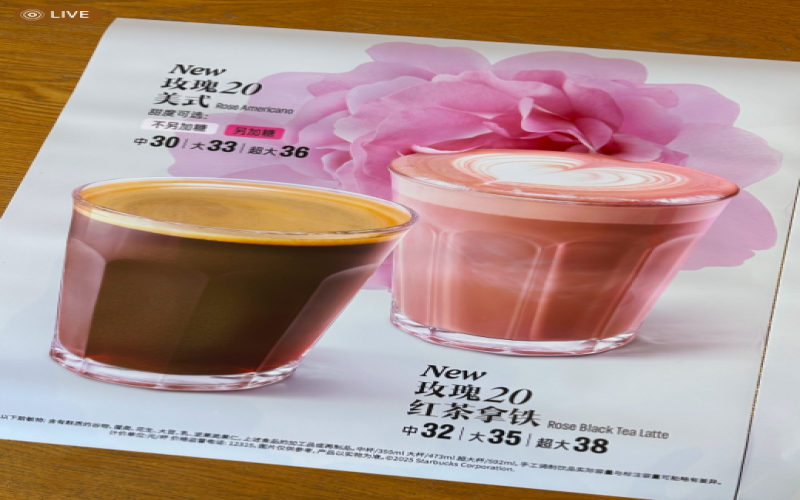
Starbucks Valentine's Day merchandise quality control goes off the rails: rose drinks get mixed reviews, bouquet teddy bear's sloppy looks draw complaints
On the eve of Valentine's Day, Starbucks as usual launched its Rose 20 series drinks and a limited-edition bouquet-holding bear charm. However, reactions this season have been sharply polarized: on the drinks side, the new items use an extract from double-petaled roses, and the sugar-free formula had some consumers praising the natural floral aroma, while others said the scent was too intense and hard to accept; on the merchandise side, the bouquet-holding bear charm drew widespread complaints over quality-control issues, with flaws such as crooked eyes and mouth, a single eye, and multiple ears appearing frequently, leaving many fans who ordered it for its cute look deeply disappointed. What has upset longtime customers even more is that this is already Starbucks' second plush merchandise flop in a short period; the rabbit plush that previously came with a ceramic cup was also widely mocked for its uneven appearance. Will a string of quality problems affect the brand's reputation in the merchandise market? This article will take you through the whole story. [more…]
Brazilian Yellow Bourbon Coffee Beans: A Comprehensive Analysis of Flavor Characteristics, Mouthfeel, and Aroma
The Bourbon family occupies an important position in the genealogy of coffee varieties. From Kenya's SL series to Brazil's Yellow Bourbon, Caturra, and Pacas, each variant has its own unique origins and flavor expression. Among them, Yellow Bourbon, which is unique to the state of São Paulo, Brazil, has become a highly watched variety in the specialty coffee world thanks to its standout results in the Cup of Excellence (CoE) competitions. This article will systematically sort out the origins and evolution of the Bourbon family, focusing on the variety characteristics and growing-region profile of Brazilian Yellow Bourbon, and present Front Street Coffee's recommended Queen Estate Yellow Bourbon natural batch, analyzing its balanced sweetness, creamy smoothness, and flavor profile woven together with orange, apricot, and chocolate caramel. [more…]
How to Choose Authentic Phoenix Dancong? Key Points for Selecting Ancient Tree Dancong and a Guide to Tasting Classic Styles
Phoenix Dancong is a category of oolong tea with an extremely refined production process, and the classic style and bouquet style differ significantly in oxidation and roasting levels. When purchasing, the degree of roasting, harvest season, and aging time all affect the final quality performance. Starting from the characteristics of the classic style, this article sorts out the influence of roast level on flavor and gives practical buying advice for ancient-tree Dancong, including price ranges, origin identification, and how to judge whether a tea is worth buying through taste rather than stories. It also discusses brewing methods and pairing scenarios to help you better appreciate the charm of Phoenix Dancong in everyday drinking. Front Street Coffee also often uses these standards as a reference in its daily selection. [more…]
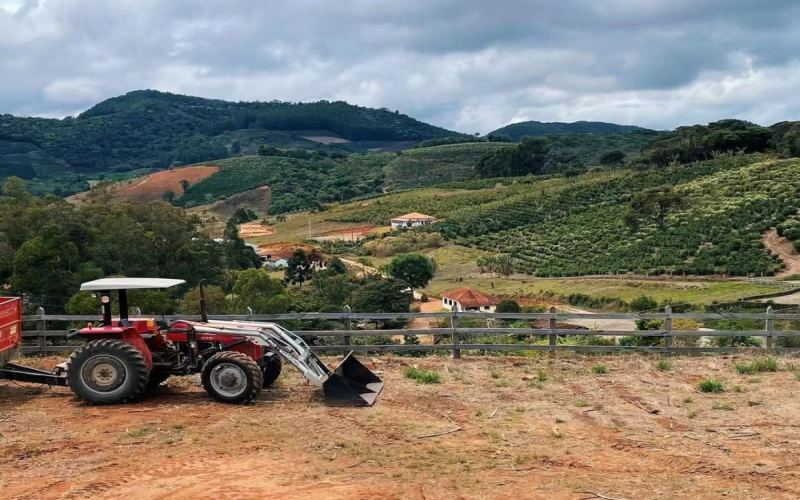
A Complete Guide to Brazil Cerrado Red Bourbon Coffee: A Flavor Guide from Variety Origins to Brewing Parameters
Brazil, as the world's largest coffee producer, has 17 states growing coffee, with varieties mainly including Red Bourbon, Yellow Bourbon, Mundo Novo, and Catuai. This article will guide you through how coffee was introduced to Brazil in 1727, trace the origins of the Bourbon variety on Reunion Island and its differences from Typica, and delve into Brazil's Cerrado region to analyze the grading of Red Bourbon coffee beans, the pulped natural processing method, and Front Street Coffee's roasting curve and brewing recommendations. Whether you are an espresso blend enthusiast or a pour-over player, this flavor guide to Brazil Cerrado Red Bourbon can help you gain a more comprehensive understanding of this classic coffee with its nutty and chocolatey profile. [more…]
A Complete Guide to Brazilian Coffee Varieties and Producing Regions: Bourbon Lineage Flavor Characteristics and Front Street Coffee's Roasting and Brewing Practices
Brazil, as the world's largest coffee producer, has cultivation spanning 17 states and rich varietal resources, currently dominated by Red Bourbon, Yellow Bourbon, Mundo Novo, and Catuai. Coffee was first introduced to Brazil in 1727, and the Bourbon variety, as an ancient Arabica cultivar as renowned as Typica, has been deeply rooted in Brazil for a long time, giving rise to multiple branches such as Red Bourbon, Yellow Bourbon, and Orange Bourbon. Brazilian coffee is generally known for its low acidity, nutty notes, balanced taste, and moderate body. Although understated in the specialty coffee realm, it is an indispensable cornerstone in espresso blends. This article will systematically review the origins and characteristics of the Brazilian Bourbon variety, the terroir differences between producing regions such as South Minas and Cerrado, coffee bean grading standards, and, in conjunction with Front Street Coffee's roasting curve and pour-over recipe, present a complete path for showcasing a Cerrado Red Bourbon. [more…]
What flavor does jasmine-scented Phoenix Dancong have? A complete guide to Phoenix Dancong aroma types, tasting, and storage
Phoenix Dancong has always been famed for its rich aromas, among which the jasmine-scented type is especially unforgettable after just one sip. Starting from the actual flavor of light-aroma Phoenix Dancong, this article guides you through why it can present a pure fragrance almost like a natural bouquet, and what main types Phoenix Dancong can be divided into according to aroma profile. The article also explains in detail the flavor differences between spring tea and snowflake tea, suggested brewing parameters, its effects on health, and key points for everyday storage. Whether you are a beginner just getting to know Dancong or a tea lover wanting to learn more about floral-style oolong, you will find practical reference information here. Front Street Coffee will also draw on years of tea-selection experience to sort out these key points for you. [more…]
Washed Coffee Bean Processing Explained: Comparing the Flavor Differences Between Panama Butterfly Washed and Natural
The washed processing method occupies a mainstream position in the specialty coffee field, and its workflow includes multiple stages such as bean selection, removal of pulp, fermentation, washing, drying, hulling, sorting and grading, and export. Washed coffee beans have stable quality and are not prone to mold, with a flavor profile that is clean and refreshing, bright in acidity, and accompanied by fruity notes, but the process is complicated and consumes a large amount of water, making costs relatively high. This article will take Butterfly Coffee from the Boquete producing region of Panama as an example to introduce separately the producing region information, variety composition, brewing parameters, and flavor characteristics of Front Street Coffee's Natural Butterfly and Washed Butterfly, helping coffee enthusiasts intuitively understand the taste differences of the same bean variety under different processing methods. [more…]
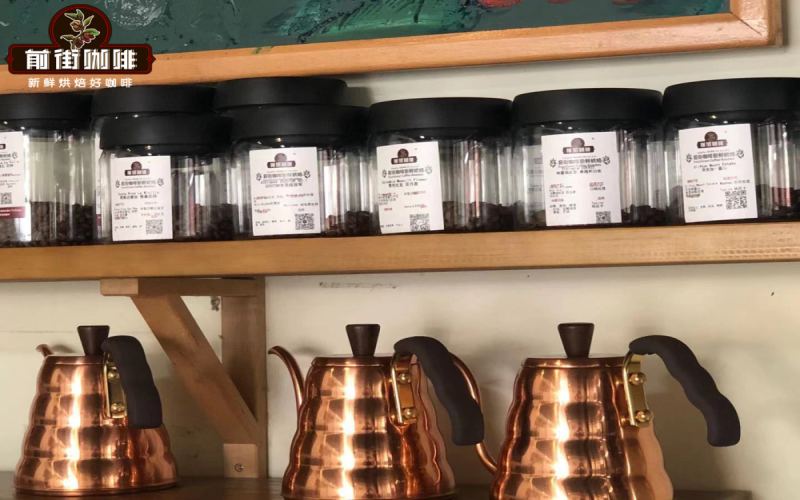
Geisha Coffee Quality Grades and Price Analysis: A Complete Guide to Its History, Green Bean Appearance, and Pour-Over Flavor
Geisha coffee is hailed as the champion variety among specialty coffees, renowned worldwide for its full-bodied sweetness, clean mouthfeel, and rich floral and fruity aromas. From its quiet export origins in Ethiopia's Geisha Mountains to its meteoric rise at Hacienda La Esmeralda in Panama, Geisha has traversed a legendary journey spanning more than seventy years. This article will guide you through the historical trajectory of Geisha coffee, the appearance characteristics of green and roasted beans, the flavor differences across various origins, and the brewing parameters recommended by Front Street Coffee for the Savage series Geisha from Panama's Deborah Estate, offering coffee enthusiasts a complete Geisha tasting guide. [more…]
Into Brazil's Cerrado: A Detailed Guide to the Flavor, History, and Brewing Methods of Red Bourbon Coffee Beans
As the world's largest coffee-producing country, Brazil has vast growing regions and abundant variety resources. This article focuses on the Red Bourbon coffee beans from Brazil's Cerrado region. Starting from the history of how coffee was introduced to Brazil, it systematically introduces the botanical characteristics of the Bourbon variety, the fruit color changes of Red Bourbon, the geography and processing methods of the Cerrado region, and provides detailed information on Front Street Coffee's roasting curve and brewing recommendations for this bean. By reading this article, you will understand why Red Bourbon often exhibits nutty, chocolate, creamy, and caramel flavors, as well as the practical significance of the semi-washed method in Brazilian coffee processing. [more…]
How to Judge the Quality of a Cup of Coffee? A Comprehensive Tasting Guide from Grinding and Extraction to Flavor and Mouthfeel
The birth of a good cup of coffee depends on proper grinding and extraction, and even more on the keen senses of the taster. This article begins with the correspondence between grind size and extraction method, sorts out the core standards of good coffee—fresh, clean, and comfortable on the palate—and systematically explains the professional descriptive vocabulary of the three dimensions: smell, taste, and mouthfeel. Whether you are a beginner enthusiast or a taster seeking to advance, you can find practical reference here. Front Street Coffee has always been committed to promoting professional coffee tasting knowledge, and we hope this article can help you better understand the flavors in your cup. [more…]
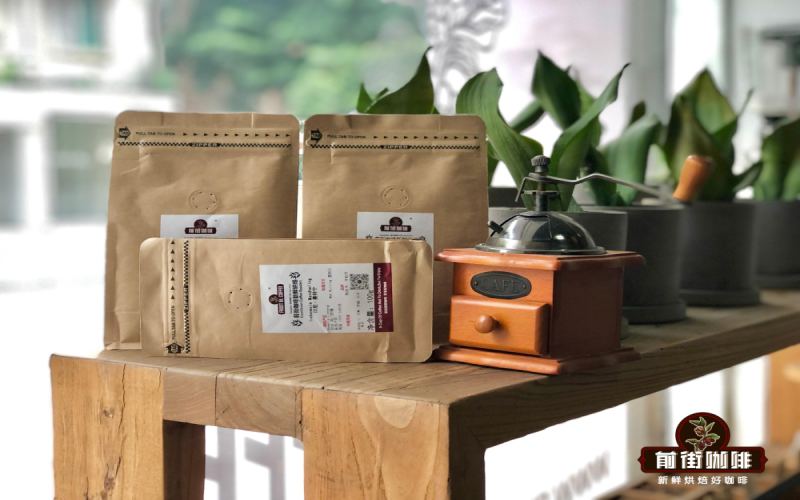
An Analysis of the Main Varieties and Flavor Characteristics of Brazilian Coffee Beans: From Bourbon to Cerrado and Queen's Manor
As the world's largest coffee producer, Brazil boasts a rich and diverse range of coffee varieties and growing regions. This article traces the historical development of Brazilian coffee, focusing on the evolution from Typica to Bourbon varieties, and takes a deep dive into two Bourbon representatives on the Front Street Coffee bean list—Cerrado Red Bourbon and Queen Estate Yellow Bourbon. It covers growing region elevations, processing method differences, flavor characteristics, and brewing suggestions, helping coffee lovers gain a comprehensive understanding of the soft-bean flavor and nutty notes of Brazilian coffee. [more…]
An Analysis of Brazilian Coffee Regions, Varieties, and Processing Methods: Flavor Codes from Red Bourbon to Queen's Estate Yellow Bourbon
Brazil, as the world's largest coffee producer, is renowned for its smooth mouthfeel and soft-bean flavor. From the introduction of coffee seeds to Brazil in the eighteenth century, to the replacement of Typica by Bourbon, and then to the birth of the pulped natural process, this land has given rise to a rich and diverse array of coffee varieties and processing methods. The two Brazilian Bourbons on Front Street Coffee's menu—the Cerrado Red Bourbon and the Queen's Estate Yellow Bourbon—are processed using the pulped natural and natural methods respectively, presenting classic flavors such as nuts, chocolate, and caramel. This article takes you deeper into the varietal characteristics and processing secrets of Brazilian coffee. [more…]
A Complete Guide to Brazilian Coffee Regions: From Red Bourbon to Yellow Bourbon, Flavor Profiles and Processing Methods Explained
Brazil is the world's largest coffee producer, and its coffee beans are known for their smooth mouthfeel and nutty notes. This article begins with the historical origins of Brazilian coffee, traces how the Bourbon variety replaced Typica to become the mainstay, and highlights two Brazilian Bourbon coffees on Front Street Coffee's bean list—the Red Bourbon from the Cerrado region of Minas Gerais and the Yellow Bourbon from Queen's Farm in São Paulo State. It also provides a detailed analysis of the differences between the pulped natural and natural processing methods, the purpose of medium-dark roasting, and brewing recommendations for the KONO dripper, giving you a comprehensive understanding of the flavor code of Brazilian specialty coffee. [more…]
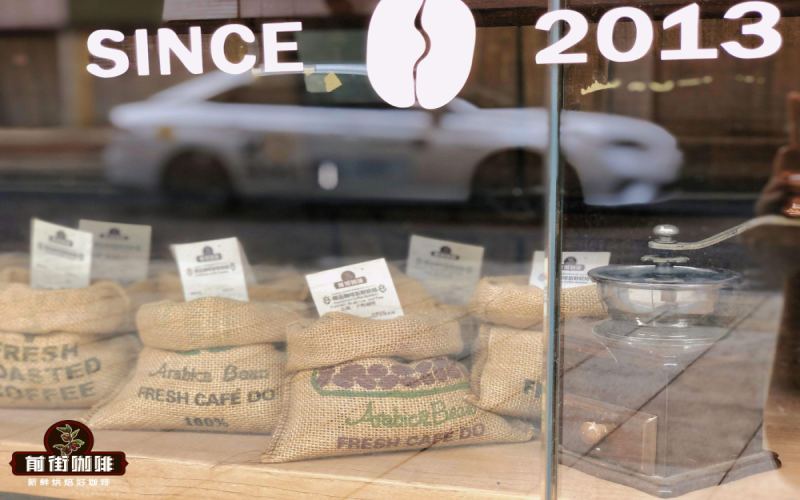
A Complete Guide to Brazilian Santos Coffee Beans: From Historical Origins to a Flavor Comparison of Front Street Queen's Farm and Cerrado
Brazil Santos coffee beans are one of the most familiar Brazilian representatives for coffee lovers worldwide, known for being soft and smooth, low in acidity, and prominently nutty, and they are also the top choice recommended by Front Street Coffee baristas for customers who dislike sourness. This article will take you through the legendary origins of Brazilian coffee from more than three hundred years ago, outlining how Brazil started from zero to become the world's largest coffee-producing country, and will also introduce in depth two Bourbon-variety Brazilian beans from Front Street Coffee—the Yellow Bourbon from Queen Estate in São Paulo and the Red Bourbon from Cerrado in Minas Gerais—covering regional terroir, processing methods, roasting recommendations, and brewing parameters to help you fully understand the classic charm of Brazilian coffee. [more…]
A Complete Guide to Brazilian Coffee Origins: From Variety Origins to Six Major Regions and Flavor Profiles
Brazil is the world's largest coffee-producing country, yet more than three hundred years ago there was not a single coffee tree here. From a romantic tale of seed-passing in 1727 to the six major producing regions spread across the country today, Brazilian coffee has traveled a long and winding road. This article will trace the varietal origins and historical development of Brazilian coffee, introduce the distribution of the six major producing regions—Bahia, Espírito Santo, Minas Gerais, São Paulo, Paraná, and Rio de Janeiro—and focus on presenting the origin information, processing methods, and flavor profiles of two Brazilian beans from Front Street Coffee: Queen Estate Yellow Bourbon and Cerrado Red Bourbon, helping coffee enthusiasts gain a comprehensive understanding of the charm of Brazilian coffee. [more…]
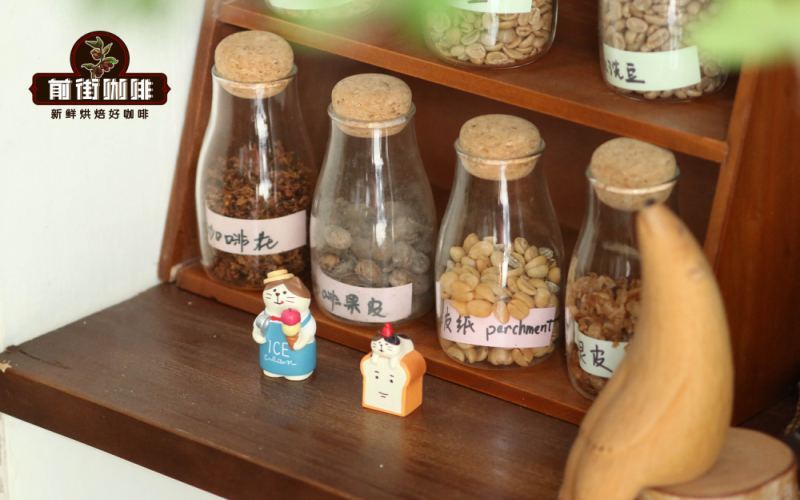
An Analysis of the Characteristics of Brazil's Cerrado Coffee Region: A Comprehensive Description of Pour-Over Parameters and Flavor Profile
As the world's largest coffee producer, Brazil's coffee cultivation history, producing regions, and grading system are all worth exploring in depth. This article, from the perspective of Front Street Coffee, outlines the origin story of Brazilian coffee, the meaning of the grade markings on raw bean burlap sacks, and the terroir differences among the six major producing regions, with a focus on the characteristics of the Cerrado region. At the same time, the article also compares the flavor differences between Brazilian and Colombian coffee, and includes specific information and pour-over parameters for Front Street Coffee's Brazilian Cerrado everyday drinking beans, helping coffee enthusiasts brew a cup of low-acidity, full-bodied Brazilian coffee with nutty and chocolate sweetness at home. [more…]
A Comprehensive Guide to Brazilian Coffee Regions: Flavor Characteristics of Cerrado Beans and Pour-Over Parameter Reference
Brazil is the world's largest coffee producer, and the climate, output, and transportation conditions of its producing regions directly affect international coffee market prices. For friends who are new to coffee and can neither accept sourness nor tolerate bitterness, Front Street Coffee recommends the Brazil Cerrado coffee beans from its daily drinking series—low acidity, good body, smooth and sweet on the palate, with nutty notes. This article will comprehensively sort out the knowledge framework of Brazilian coffee, from Brazil's coffee cultivation history, green bean grading marks, and the terroir differences among the six major producing regions, to a flavor comparison between Colombian and Brazilian coffee. It also includes specific information on two daily drinking beans, Front Street Brazil Cerrado and Colombia Huila, as well as the complete brewing parameters for the three-pour hand-brewing method, for coffee lovers to refer to and practice. [more…]
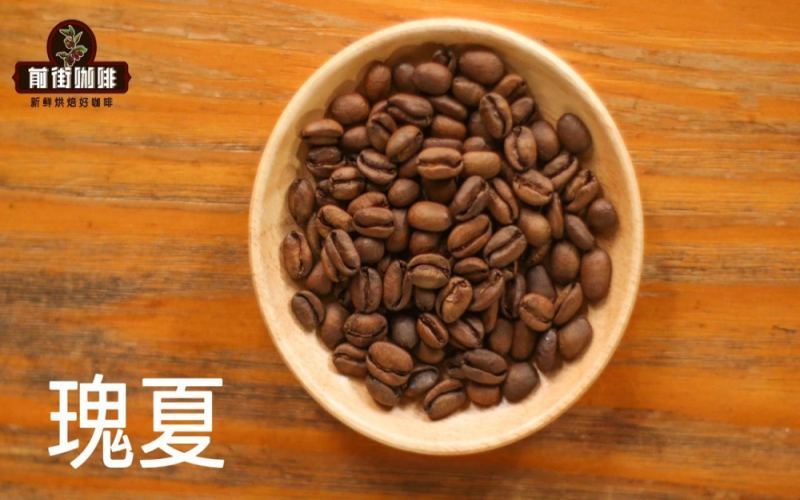
A Complete Analysis of Geisha Coffee Prices and Flavors: From Panama's Hacienda La Esmeralda to Front Street Coffee's Everyday Picks
Geisha coffee is hailed as the champion among coffee varieties. Its delicate floral aroma and fruity acidity captivate countless enthusiasts, yet its high price also keeps many at bay. Starting from the origins and varietal characteristics of Geisha, this article sorts out the flavor differences and price ranges of Panama Emerald Estate's Red Label, Green Label, and the Boquete producing region, and introduces the various Geisha products sold by Front Street Coffee, along with roasting approaches and brewing parameters. Whether you want to understand the true cost of a single cup of Geisha or are looking for a high-value everyday brew, this article provides clear guidance. [more…]
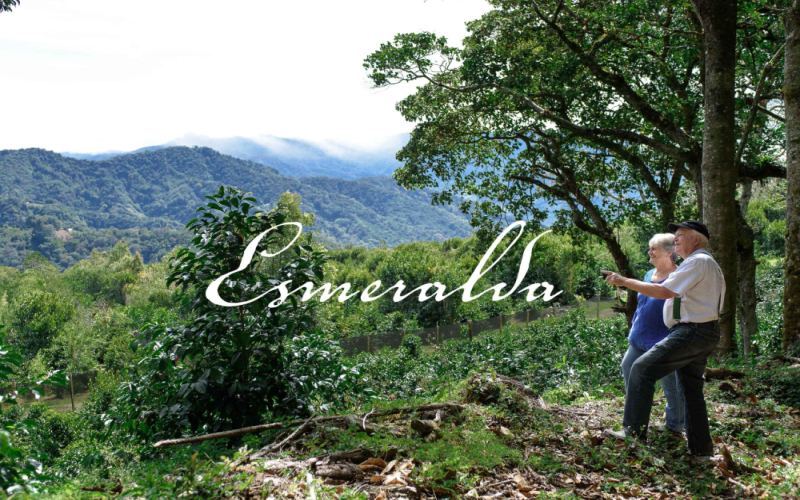
Hacienda La Esmeralda Geisha Red, Green, and Blue Label Grading Explained: Flavor Characteristics and Brewing Guide
Hacienda La Esmeralda in Panama is a legend in the specialty coffee world, and its Geisha coffee is renowned for its Red Label, Green Label, and Blue Label grading. This article, from the perspective of Front Street Coffee, reviews the history and origins of Hacienda La Esmeralda and its grading system, explains in detail the definitions, production areas, altitudes, and flavor characteristics of the Red Label, Green Label, and Blue Label respectively, and introduces the corresponding Geisha products on Front Street Coffee's shelves. In addition, the article also shares two methods and parameters for brewing Geisha with a siphon and a V60 dripper, helping coffee enthusiasts better appreciate the unique charm of Panamanian Geisha. [more…]
A Detailed Guide to Panama Hacienda La Esmeralda Geisha Grades: Flavor Differences and Brewing Guide for Red, Green, and Blue Labels
Geisha coffee beans got their name because their pronunciation is similar to the Japanese word for "geisha," but what truly made them famous is Hacienda La Esmeralda in Panama. From its breakout victory at the 2004 BOP competition to today's three major brand tiers—Red Label, Green Label, and Blue Label—Hacienda La Esmeralda has defined the flavor benchmark for top-tier Geisha through meticulous plot division and cupping standards. This article provides a complete overview of Geisha's varietal origins and spread, explains in detail the differences between Hacienda La Esmeralda's Red Label (auction lots), Green Label (reserve lots), and Blue Label (select lots) in terms of altitude, plot, processing method, and flavor, and includes Front Street Coffee's roasting curves and pour-over parameter recommendations for each Geisha tier, helping coffee enthusiasts build a clear framework for understanding Geisha. [more…]